Garden ID FAQ: Products, usage, maintenance and distribution
This FAQ has been designed to support Garden ID distributors, specifiers and sales teams.
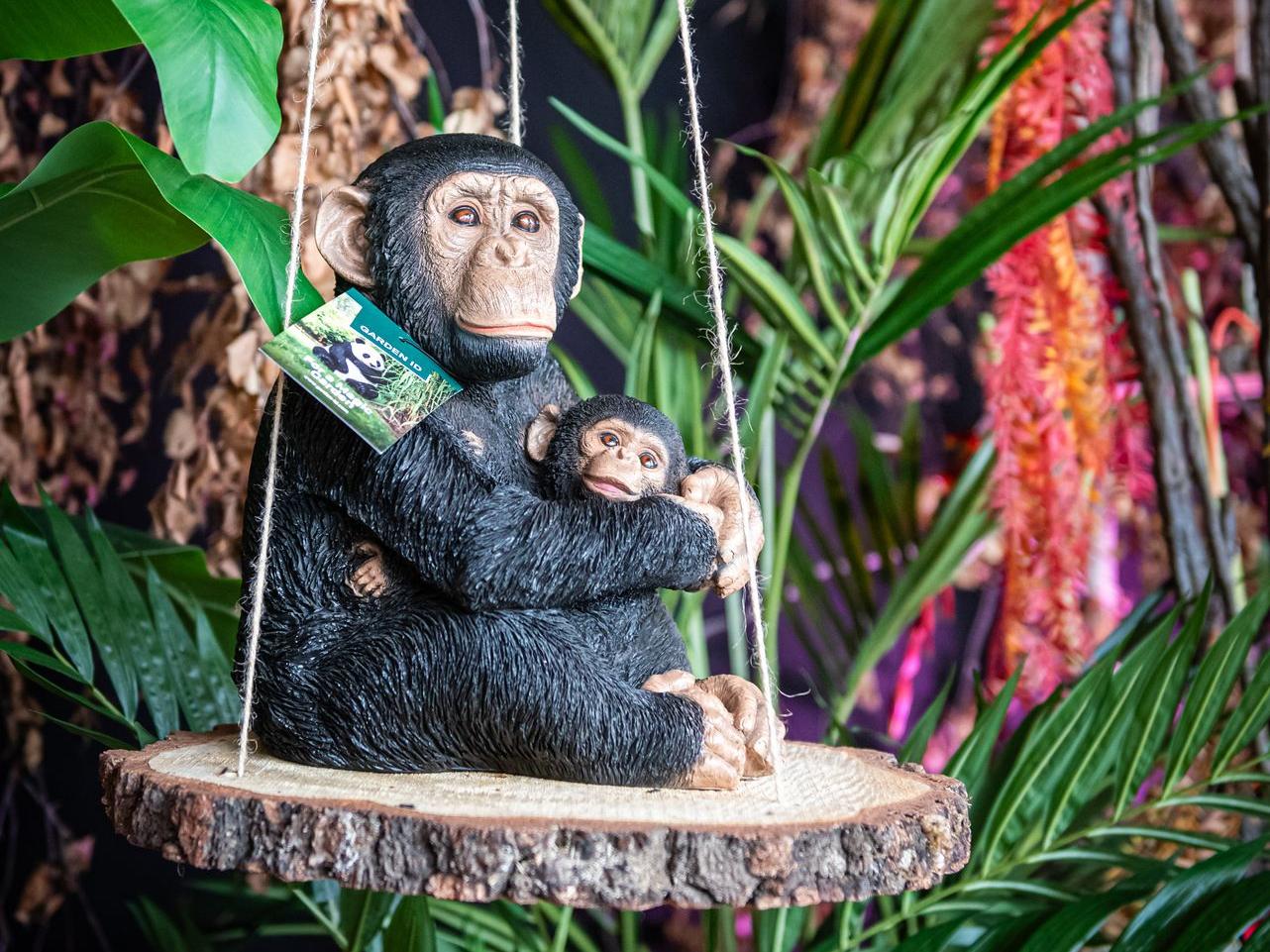
It provides clear answers regarding the quality, use, maintenance and presentation of Garden ID collections: solar lighting, decorative sculptures and flower pots.
It can also be used as a sales support tool for end customers.
Garden ID FAQ: Products, usage, maintenance and distribution
This FAQ has been designed to support Garden ID distributors, specifiers and sales teams.
It provides clear answers regarding the quality, use, maintenance and presentation of Garden ID collections: solar lighting, decorative sculptures and flower pots.
It can also be used as a sales support tool for end customers.
Products and quality
Are Garden ID products suitable for outdoor use?
Yes. Garden ID products are developed for outdoor use and designed to withstand common weather conditions such as rain, UV exposure and temperature variations. Materials and finishes are carefully selected to ensure long‑term durability and stability.
Do garden sculptures retain their appearance over time?
Garden ID sculptures are designed for long‑term outdoor use. Simple and regular maintenance helps preserve their appearance, details and realism throughout the seasons.


Do Garden ID solar lights provide sufficient autonomy?
Under optimal sunlight conditions and depending on the model, Garden ID solar lights typically provide 6 to 8 hours of evening illumination. Autonomy depends on exposure, season and usage.
Are Garden ID flower pots suitable for outdoor use?
Yes. Garden ID flower pots are designed for outdoor planting and can withstand moisture, temperature changes and irrigation, provided that proper drainage and planting practices are followed.
Use and installation
Do Garden ID solar lights require an electrical connection?
No. Garden ID solar lights operate without electrical wiring. They can be easily installed and repositioned, making garden staging and spatial adaptation simple.
How should products be positioned in a garden?
Correct positioning is essential. Working with focal points, proportions, height variations and harmony with vegetation helps create a balanced and visually clear composition.


What is the difference between a flower pot and a planter?
A flower pot is designed to hold a plant directly and usually includes drainage holes.
A planter is mainly decorative and may not include drainage. For outdoor use, a drainage solution is recommended.
How do I choose the right pot size?
A pot that is too small restricts root growth, while an oversized pot may retain excess moisture.
The recommended choice is a pot slightly larger than the plant’s root system.
Maintenance and durability
How do I maintain a solar garden light?
Simple maintenance ensures optimal performance:
- clean the solar panel regularly
- ensure good sun exposure
- check batteries or rechargeable cells
- adapt usage according to the season
Should Garden ID products be protected during winter?
Depending on climatic conditions, certain precautions may be taken in winter to preserve appearance and extend product lifespan. These are detailed in our maintenance guides.


How should outdoor flower pots be maintained?
It is recommended to:
- regularly check drainage
- avoid stagnant water
- clean the exterior surface
- adapt watering to seasonal conditions
A well‑maintained flower pot promotes plant health and extends the lifespan of the container.
How do I ensure proper drainage in a flower pot?
Effective drainage is based on:
- a layer of gravel or clay pebbles at the bottom
- a drainage hole for excess water
- use of light, well‑draining potting soil
These elements help prevent root suffocation.
Flower pots and garden design
Why use flower pots to structure a garden?
Flower pots help define spaces, play with volume and create flexible compositions that evolve with the seasons and occasions.


How can pots, plants and decorations be combined?
Consider:
- the plant’s mature size
- light and water requirements
- the desired decorative style
A harmonious combination of pots, plants and decorative elements creates a lively and well‑balanced garden.
Can flower pots be moved easily?
Yes. Using saucers, especially with wheels, allows easy repositioning to optimise sunlight exposure or rearrange outdoor spaces effortlessly.
Distribution and partnership
How can I become a Garden ID distributor?
Garden ID builds long‑term partnerships with distributors who share the same standards of quality and design.
For any partnership request, please complete the contact form and include your company name and VAT number. Our team will get back to you shortly.


Do you provide sales support materials?
Yes. Garden ID offers guides, e‑books and educational content designed to support sales and enhance product presentation.
Can Garden ID content be shared with end customers?
Yes. These resources can be used as advisory tools, shared with customers or integrated into the sales conversation.
Access our professional catalogue
Browse our complete collections and benefit from personalised support.
Use the contact form to get in touch with one of our advisors.

A partnership designed for professionals
Garden ID works with committed distributors who value product quality and brand consistency.
We provide structured support and practical tools to help showcase our collections effectively at the point of sale.
Interested in working with Garden ID?
Become a Garden ID distributor