Forget the stress of watering with a water-saving pot or planter. Simplify your life, especially if you're just starting out or if you're away a lot. Or if you're worried about forgetting to water your beloved green plants. It's an investment you won't regret!
You love your indoor jungle, but you're not sure you're watering your plants properly? It's true, it's not that simple! Fortunately, water-saving pots and planters are here to help.
But... don't think this is THE miracle solution. In fact, not all water-reservoir pots are suitable for all plants. In this article, we'll help you choose the right pot for the right plant!

What is a water tank?
Generally made of plastic, the water-reserve planter or pot has a double bottom that acts as a reservoir. These pots come in all shapes and sizes.
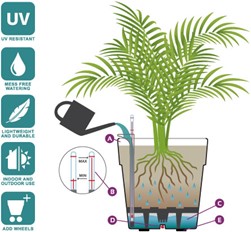
Whatever the pot, the principle remains the same: the bottom is separated from the potting soil by a perforated grid that allows a certain amount of water to be stored. The water rises towards the plant by capillary action, providing constant humidity while avoiding drowning the roots (which can happen if you over-water and the water stagnates under the plant).
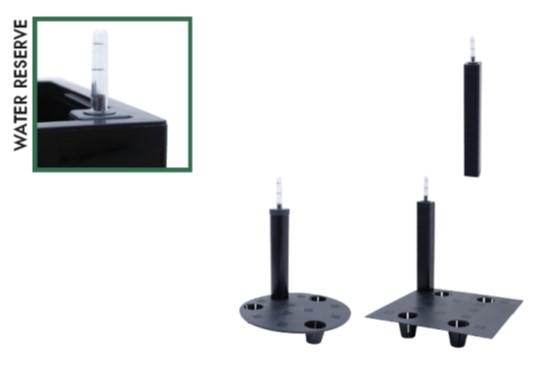
A filling tube (or an opening in the wall of the pot) is used to pour water directly into the reservoir. Make sure the tube is fitted with a gauge to indicate the water level in the reservoir.

Garden ID water reserve pots
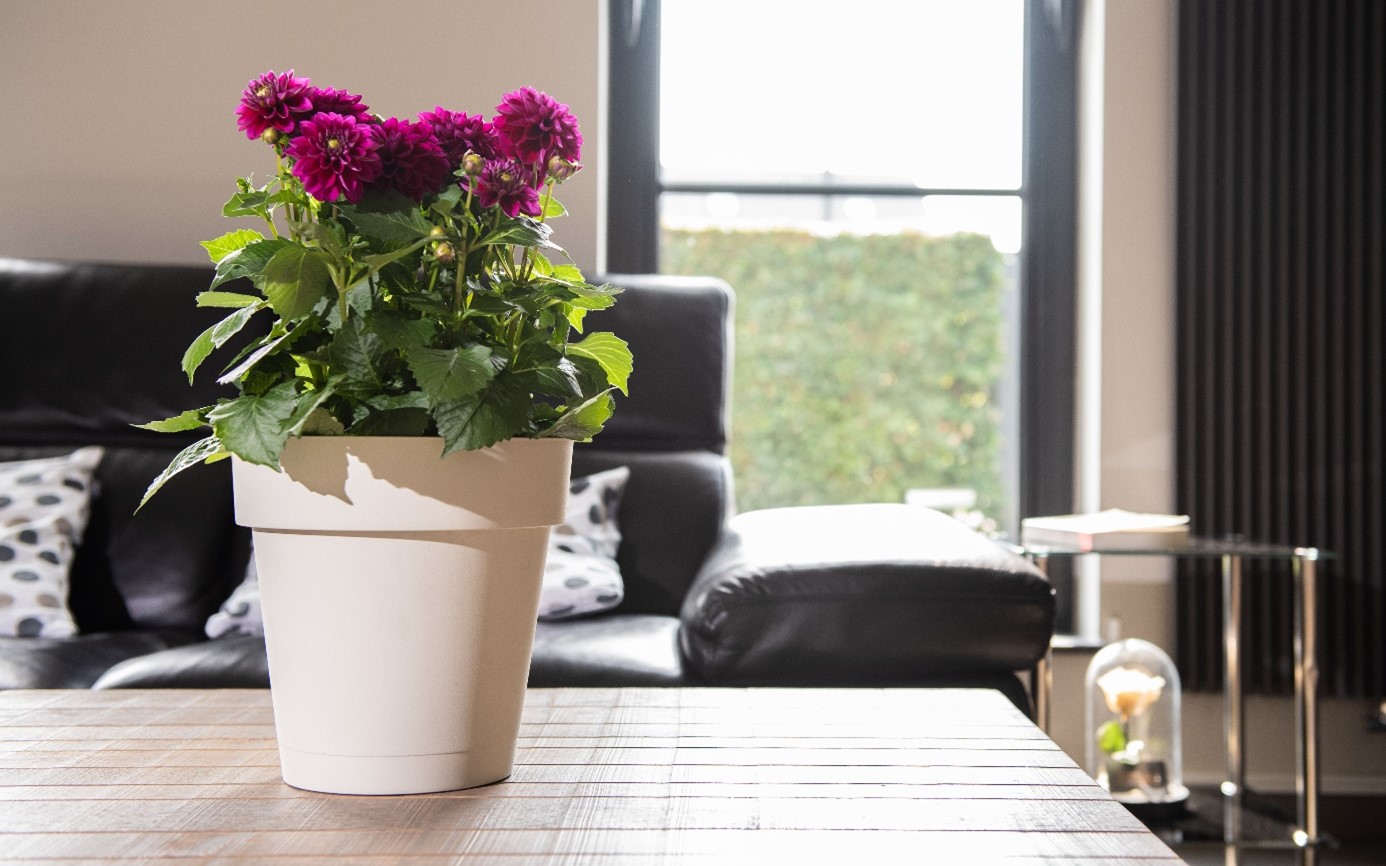
The STAR range (recycled plastic pots) is available in several sizes and trendy colors. The Star Plus pot includes a discreet but practical water reservoir.
In this case, the reservoir is used to collect excess water from watering, thus minimizing beginner's mistakes. This reservoir can be identified by the thin line at the bottom of the pot. However, the water reserve is limited and has no water level indicator.

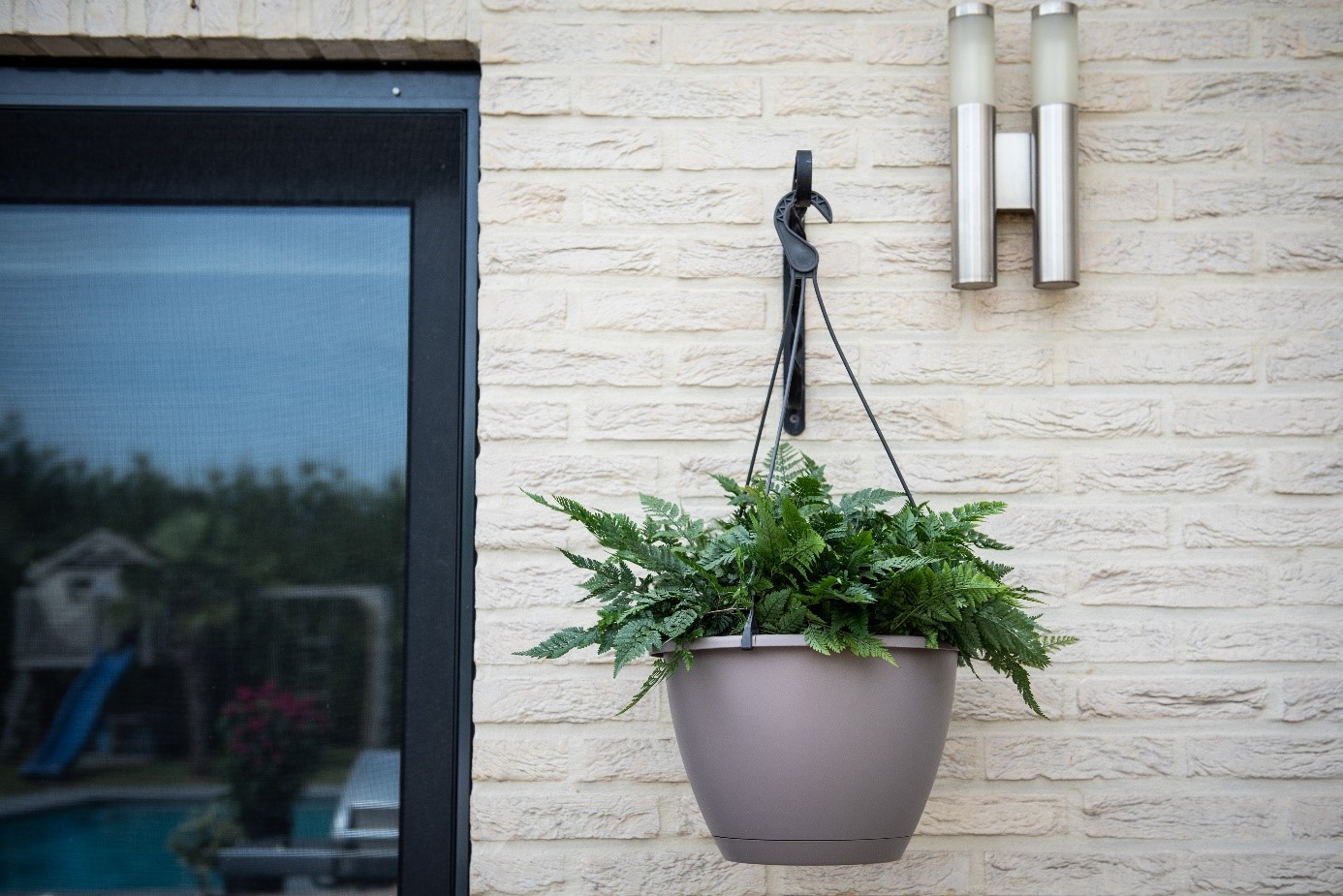
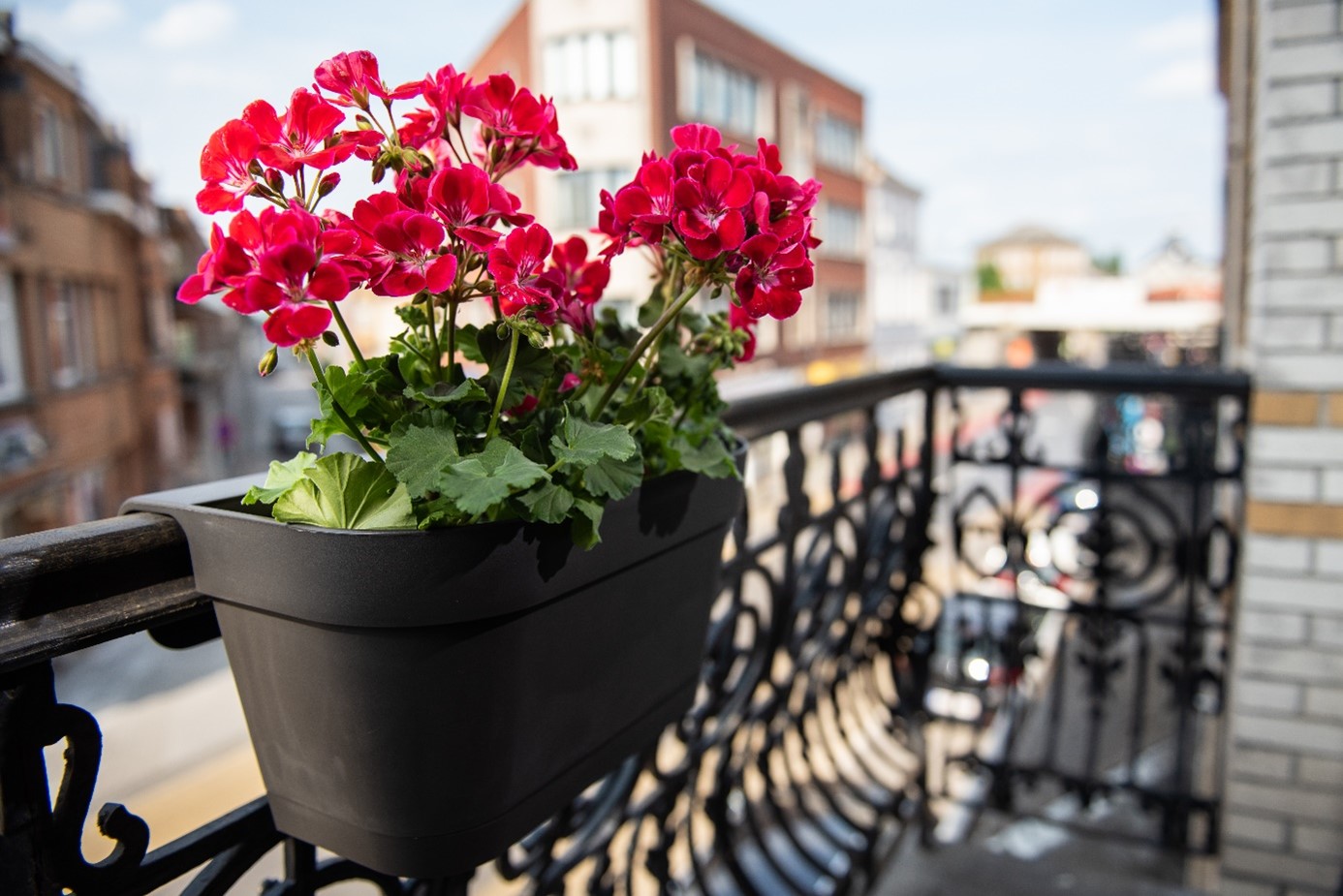
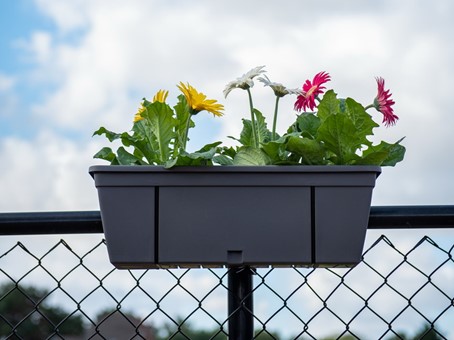
Similarly, Star Air hanging baskets and Star Balcon adjustable planters feature the same type of water reservoir.
In the Happy range, the happy balcony also includes a water reserve, as does the smart kit.

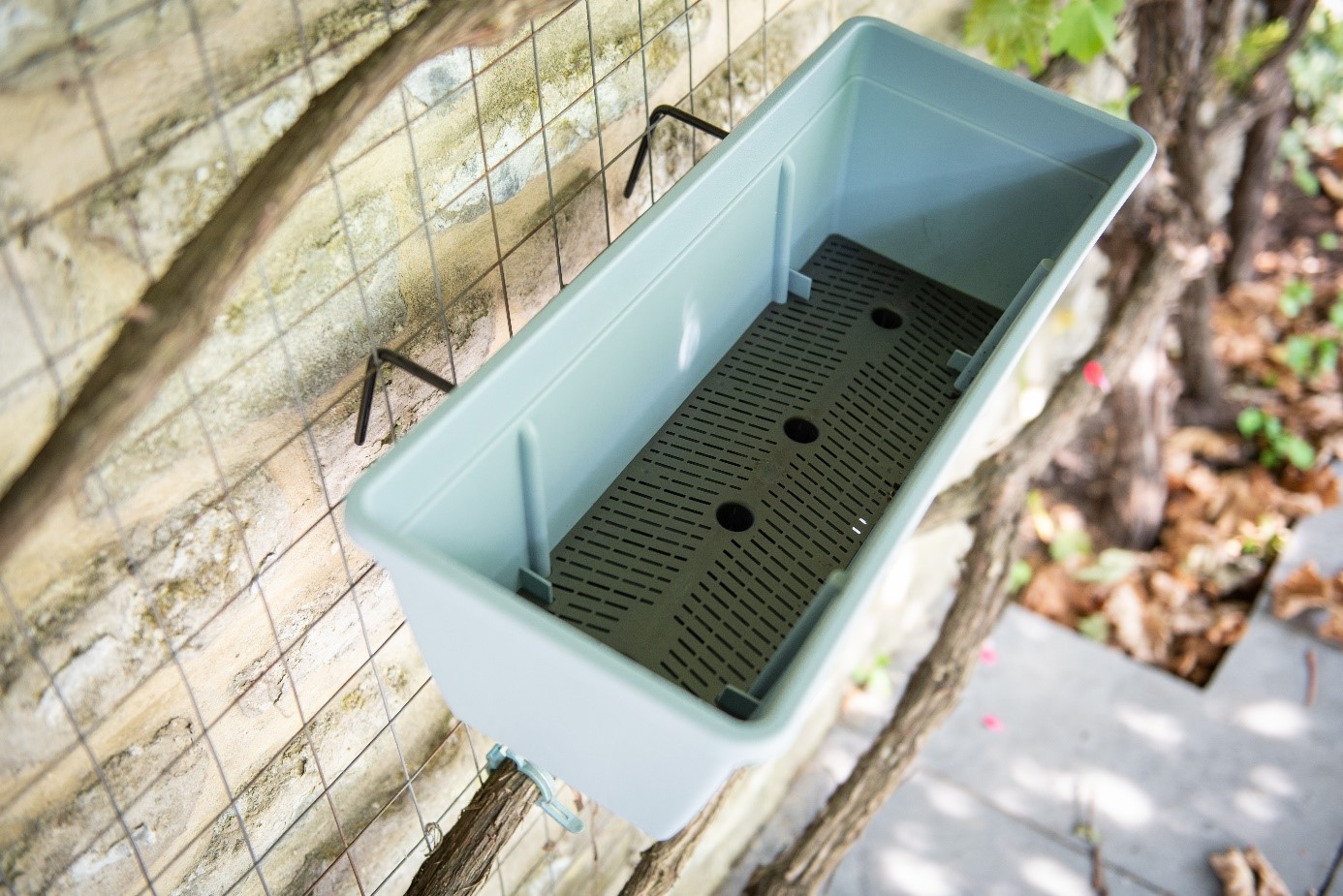
On the balcony or terrace, Teramo or Terraflor planters are all equipped with water reservoirs.
 In the home, La Classy Line, elegant and timeless, blends perfectly into a modern interior. Sleek, white or black, matte or glossy. Each pot can be fitted with a water reserve kit.
 In this case, the plant insert includes a double bottom, a filling tube and a gauge. This makes watering, maintaining and repotting your houseplants child's play! This watering system ensures optimal plant watering, with no gaps and no excesses.

Finally, Green Care's Sense range, made from 100% recycled and recyclable materials, also has a version with water reserve, available in 2 sizes and 3 colors (taupe, blue-gray, anthracite).

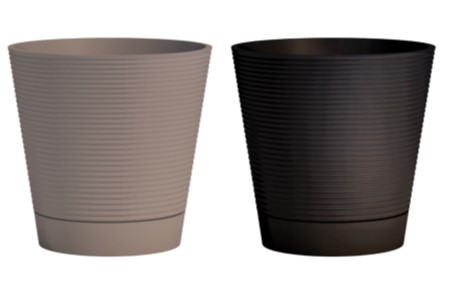
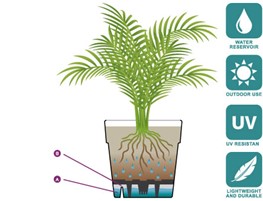
Perfectly integrated into the pot, this water reservoir combines design and functionality.
Advantages and disadvantages of water reserve pots
Sometimes called self-watering pots, pots with a water reservoir are practical in many ways. But you need to take a few precautions to get the most out of them.
Benefits
- Constant humidity without the need for constant watering (especially useful in summer or in heated rooms). Particularly recommended for plants that like their soil always moist (e.g. azaleas, spathiphyllums, monsteras, ferns, arums and some palms).
- Better watering control. Particularly useful for water-hungry plants, or if you're away a lot, or not sure when to water.
- Better use of water. Because the water is in a closed reservoir, it doesn't evaporate directly into the air, but goes straight to the plant's roots. And there's no need for a draining layer of clay balls.
- Limits disease. Some plants are prone to fungal diseases if the leaves are wet. By watering from below, you can avoid this problem.
Disadvantages
- Not suitable for all plants. This type of pot is not suitable for plants that like the soil to dry out completely between 2 waterings (e.g. sansevieria, euphorbias).
- Absolutely not recommended for cacti. Permanent saturation of the soil mixture can lead to root rot.

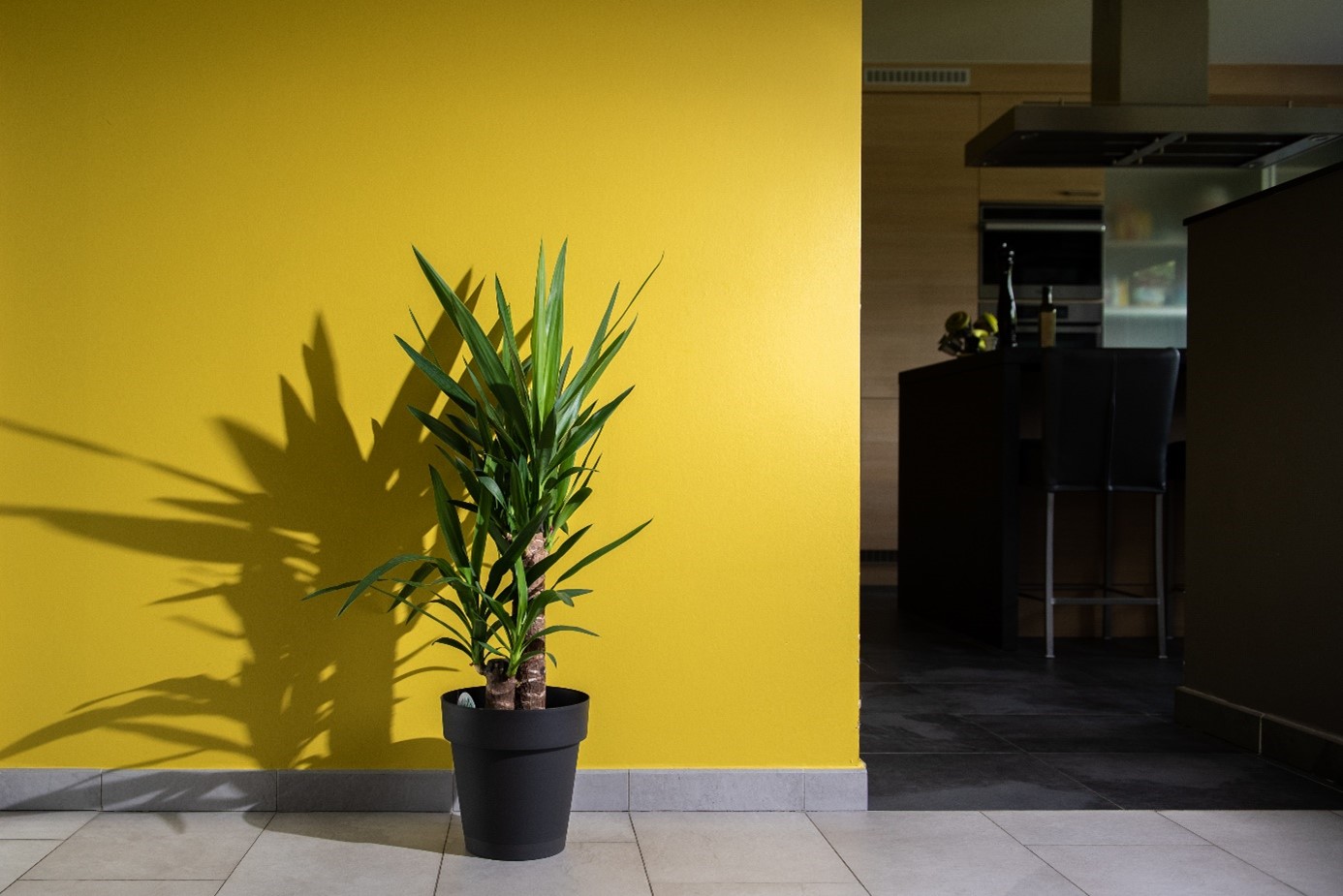
Tips for using a water reserve pot
- Choose a plant that likes water and humidity. Avoid cacti, succulents or plants that prefer dry soil (check the label before you buy).
- Choose the right pot size. Garden ID pots with water reserve are available in a range of sizes and shapes, for indoor or outdoor use.
- Soak your plant in water before placing it in the pot. It's essential to thoroughly moisten the substrate before placing it in the water reservoir pot. Dry potting soil won't absorb water, so even if you fill the reservoir, the plants won't get the moisture they need.
- No need to add clay balls. Do not compact the soil.
- The first watering is done from above, letting the water seep into the soil and filling the reservoir from the top. Wait a moment for the water to seep into the reservoir through the soil. Then fill the reservoir completely.
- Observe your plant to find the right rhythm for filling the reserve.
- Do not allow the reservoir to empty completely. If it does, water again from the top to make sure all the soil is moistened before refilling the reservoir.
- Clean the reservoir once a year. This will prevent roots from filling or clogging the tank.

Browse the collection