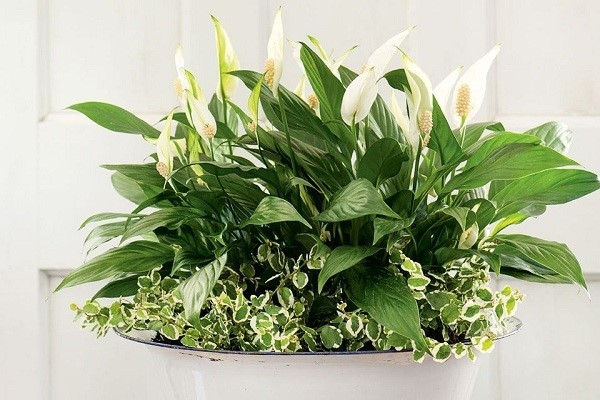
Spathiphyllum is a very popular houseplant and, above all, very easy to grow. In the right conditions, you can expect to keep it for several years. It will seduce you not only for its aesthetic qualities, but also for its depolluting virtues.

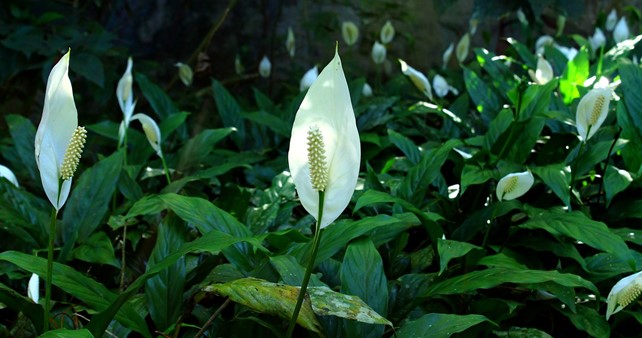
A highly decorative plant, spathiphyllum adapts well to any interior. It thrives in semi-shade, but also appreciates bright locations. And, best of all, it blooms all year round.
Origin of spathiphyllum
A member of the Araceae family, spathiphyllum, sometimes called "moonflower", has around forty varieties, mainly hybrids created to withstand indoor cultivation. Spathiphyllum wallisii is mainly found in garden centers in France.
Native to the tropical forests of Central and South America, it grows in the shade of trees. The plants we grow here are cultivars derived from the Colombian species.
Spathiphyllum varieties
Interesting varieties include :
- Spathiphyllum Domino: the plant has shiny, dark green leaves with a hint of white.
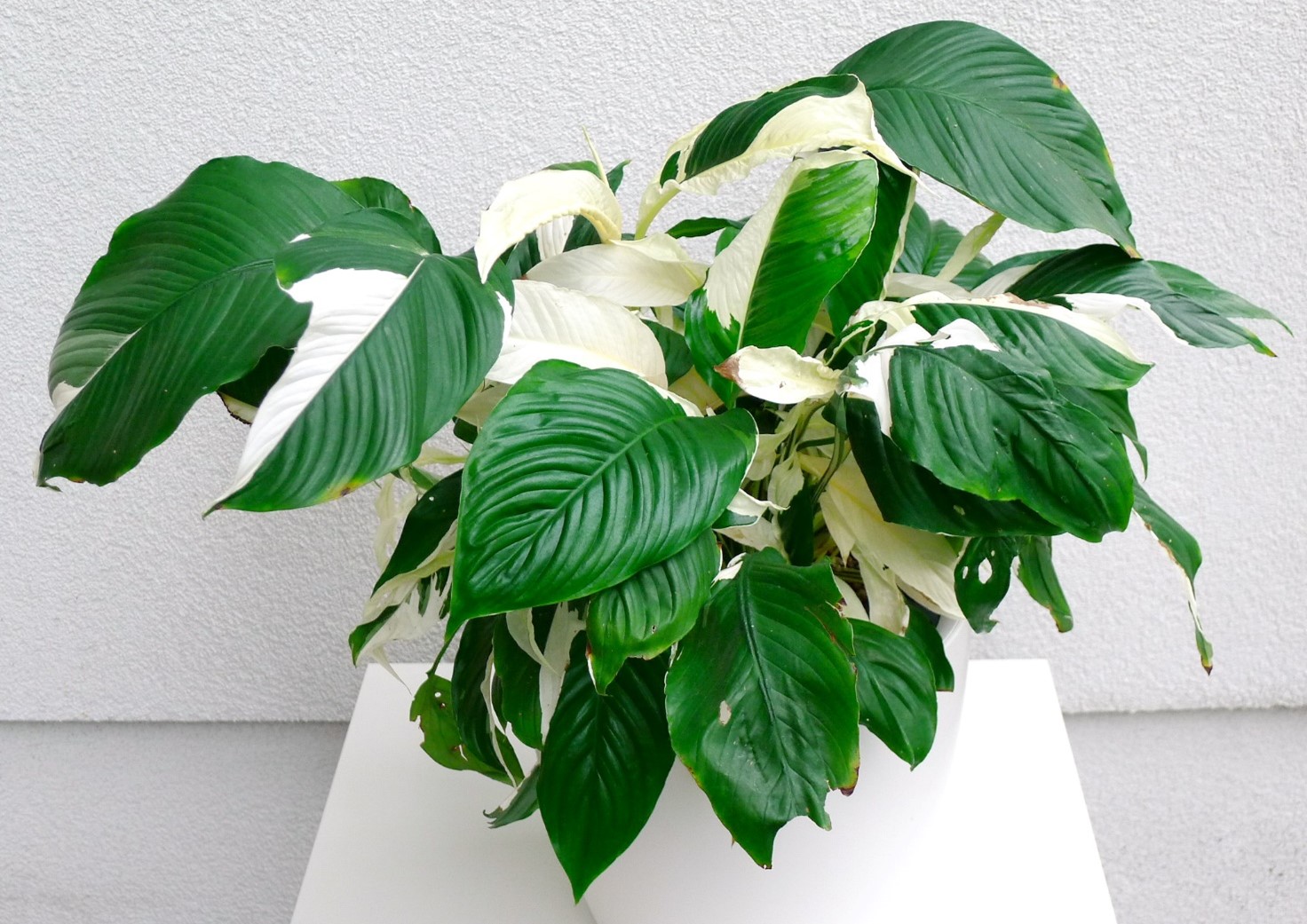
- Spathiphyllum Picasso: quite hard to find. It is distinguished by its large, variegated leaves.

How to care for a potted spathiphyllum?
Easy to grow, spathiphyllum is quite fast-growing, and some varieties can reach attractive proportions at full size: up to 1m high and wide. But the most common should not exceed 60 cm.
☀ Light
Spathiphyllum appreciates light, but not direct sunlight, which can burn the leaves. It will flourish near a window, sheltered from the sun's rays. And if the plant can tolerate shade or part-shade, it will flower less there.
❀ Flowering
The pure white flowers have a slightly concave spathe that protects the cream-colored spike (spadix). To encourage flowering, make sure the plant has enough light and enough humidity (it's a tropical plant).
💧 Watering and maintenance
Spathiphyllum needs plenty of water. Water once a week in winter and 2-3 times in summer. If you forget to water, you'll see the leaves gradually droop... so it's time to take action! Rest assured, it will soon recover. Conversely, be careful not to over-water, as the plant doesn't appreciate it. In summer, you can also mist the plant to increase humidity.
🌡️ Temperature
This tropical plant appreciates the ambient temperature of our homes (between 18° and 24°). You can take it outside in summer, but bring it inside as soon as temperatures drop below 15°. Spathiphyllum fears draughts.

☠️ Toxicity
Spathiphyllum is reputed to be toxic to both humans and animals. In fact, it is the plant's sap that is toxic on ingestion and contact (skin and mucous membranes). However, reactions vary from one individual to another.
🦟 Diseases, pests and parasites
Not very susceptible to disease and parasites. Aphids and red spider mites may attack if the environment is very dry. In this case, mist to increase humidity and treat the plant.
🗑 Potting and multiplication
Repotting: the plant likes its roots to be cramped. Repotting every 2-3 years is sufficient, preferably in spring.
Multiplication: divide the root clump of the mother plant, then place each part in a separate container. Dividing the plant every two years will have a positive effect on flowering.
Compositions with spathiphyllum
Spathiphyllum blends perfectly with other variegated foliage plants.